


En motor och en motor är inte samma maskin, och skillnaden beror på en sak: vilken typ av energi som kommer in. En motor omvandlar elektrisk energi till roterande mekanisk rörelse med hjälp av magneter och spolar. En motor omvandlar kemisk energi, nästan alltid från förbränning av bränsle, till mekanisk rörelse genom förbränning och kolvar eller turbiner. Allt annat som folk brukar peka på - ljudnivå, rörliga delar, bränsletankar, avgasrör - är ett nedströms resultat av den ena startskillnaden.
Svaret på en rad
Om en enhet ansluts till en vägg, drivs med ett batteri eller är kopplad till en krets, är det en motor. Om en enhet bränner bensin, diesel, propan eller annat brännbart bränsle för att skapa rörelse, är det en motor. En tvättmaskinstrumma, ett tornfläktblad och ett fläkthjul snurras alla av motorer. En bil, en motorsåg och ett generatoraggregat drivs av motorer. Det finns ingen gråzon på definitionsnivån, även om de två termerna används löst i vardagliga samtal.
Där den verkliga splittringen sker: Energiomvandling
Varje motor är beroende av elektromagnetism. Ström flyter genom en lindning, ett magnetfält skapas och det fältet trycker mot en stationär magnet eller en andra lindning för att producera rotation. Ingen förbränning, inga avgaser, ingen förbränningskammare. En motor förlitar sig på termodynamik. Bränsle och luft komprimeras, entänds och den resulterande expansionen av het gas trycker på en kolv eller snurrar ett turbinblad. Den expansionen är det som skapar kraft.
Denna distinktion förklarar nästan alla praktiska skillnader mellan de två. Motorer behöver inte ett insugs- eller avgassystem eftersom det inte finns någon förbränningsbiprodukt att ta bort. Motorer behöver kylsystem av en annan anledning än motorer, eftersom förbränning genererar mycket mer lokaliserad värme per cykel än en spole någonsin gör.
Motor vs motor sida vid sida
| Faktor | Motor | Motor |
| Energikälla | El (AC eller DC) | Brännbart bränsle |
| Typisk effektivitet | 75 procent till 95 procent | 20 procent till 40 procent |
| Rörliga delar | Rotor, lager, borstar eller magneter | Kolvar, ventiler, vevaxel, kamaxel |
| Biprodukter | Endast värme | Värme, avgaser, vibrationer |
| Typisk livslängd | 10 000 till 30 000 drifttimmar | 1 000 till 5 000 drifttimmar före större service |
| Vanliga inställningar | Hushållsapparater, VVS, industrifläktar | Fordon, generatorer, utomhuskraftutrustning |
Effektivitetsgapet är det antal som betyder mest för köpare. En välbyggd elmotor förlorar väldigt lite ingående energi till något annat än rörelse, medan en förbränningsmotor förlorar en stor del av sin bränsleenergi till uppvärmning och avgas innan något av det når drivaxeln. Den enda siffran är anledningen till att motorer dominerar stationär och inomhusutrustning, och motorer är reserverade för jobb som kräver bärbar bränslekraft med hög densitet.
Varför hushålls- och industriutrustning nästan alltid väljer motorer
Inomhusapparater behöver tre saker som en motor inte lätt kan tillhandahålla: tyst drift, inga avgaser och jämn effekt utan tankning. En borstad eller borstlös motor levererar alla tre, vilket är anledningen till att den sitter i nästan alla kategorier av hem- och lättindustriutrustning. Några konkreta exempel gör mönstret tydligt:
- An Luftkylare motor snurrar fläktbladet och driver det interna vattencirkulationssystemet samtidigt, och den måste gå i timmar utan att överhettas i ett varmt rum.
- A Motor för tvättmaskin behöver exakt hastighetskontroll över tvätt-, skölj- och centrifugeringscykler, något som elektromagnetisk vridmomentkontroll hanterar mycket bättre än en förbränningskälla med fast hastighet någonsin kunde.
- A Kåpa motor och a Fläktmotor båda beror på ett jämnt luftflöde vid låga ljudnivåer, vilket är anledningen till att tillverkarna justerar lindningsdesignen specifikt kring decibelmål.
- A Tower fläktmotor bedöms nästan helt på hur lite ljud den producerar, eftersom den vanligtvis fungerar i sovrum och kontor.
Utvalda motorserier
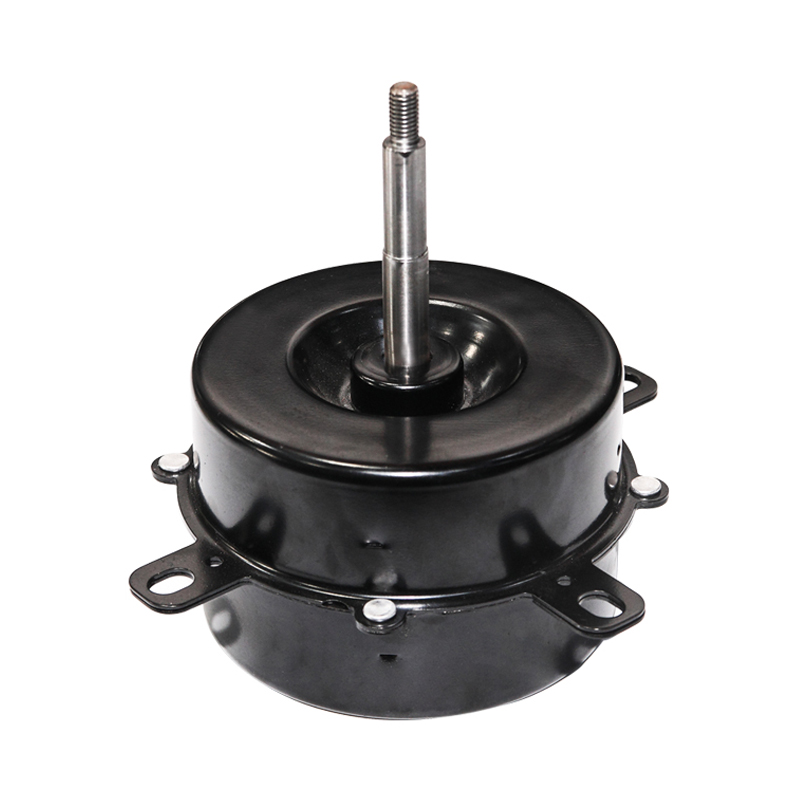
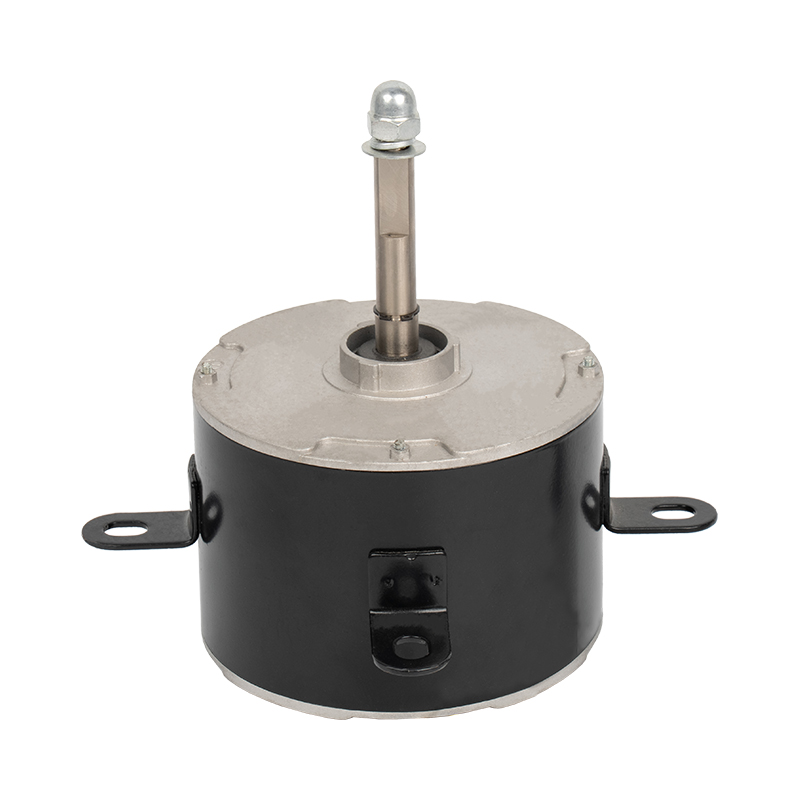
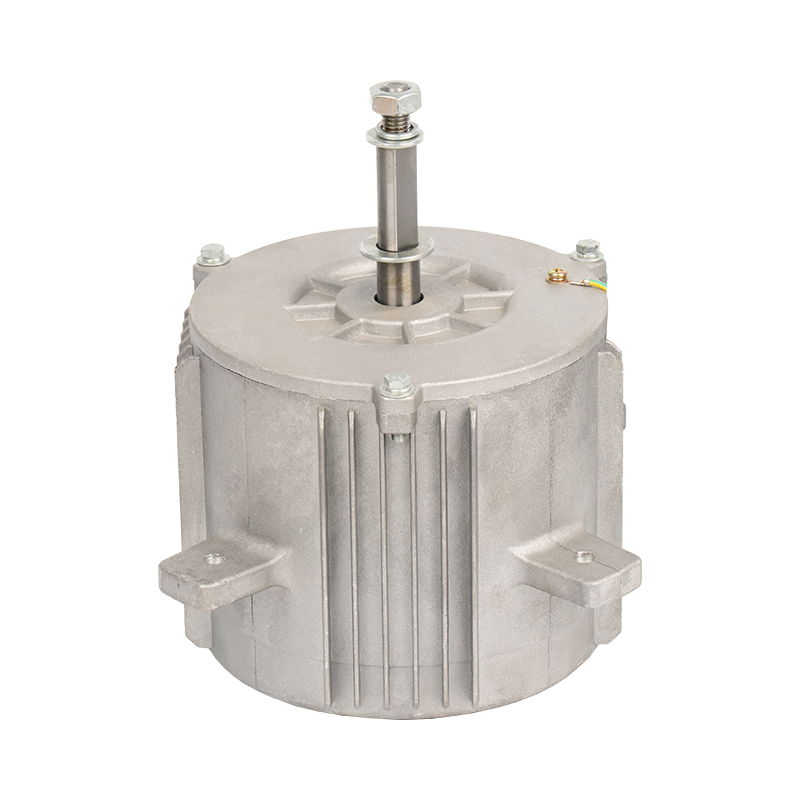
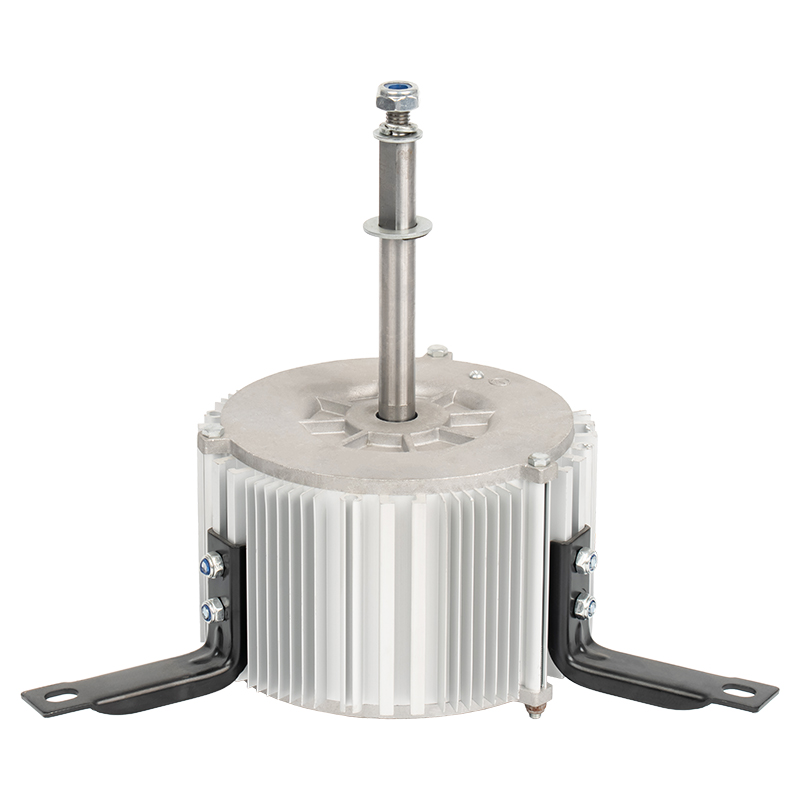
Ett tvärsnitt av elmotorlinjerna byggda för apparat- och lättindustrikategorierna som diskuteras i den här artikeln.
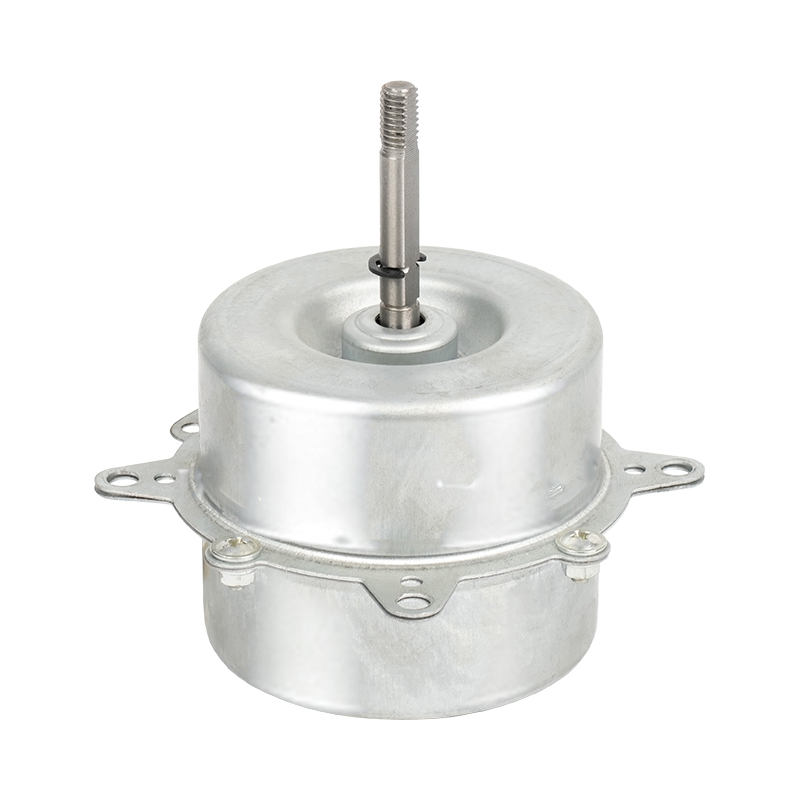
Hem Liten luftkylningsmotor YYK-25
Luftkylare motor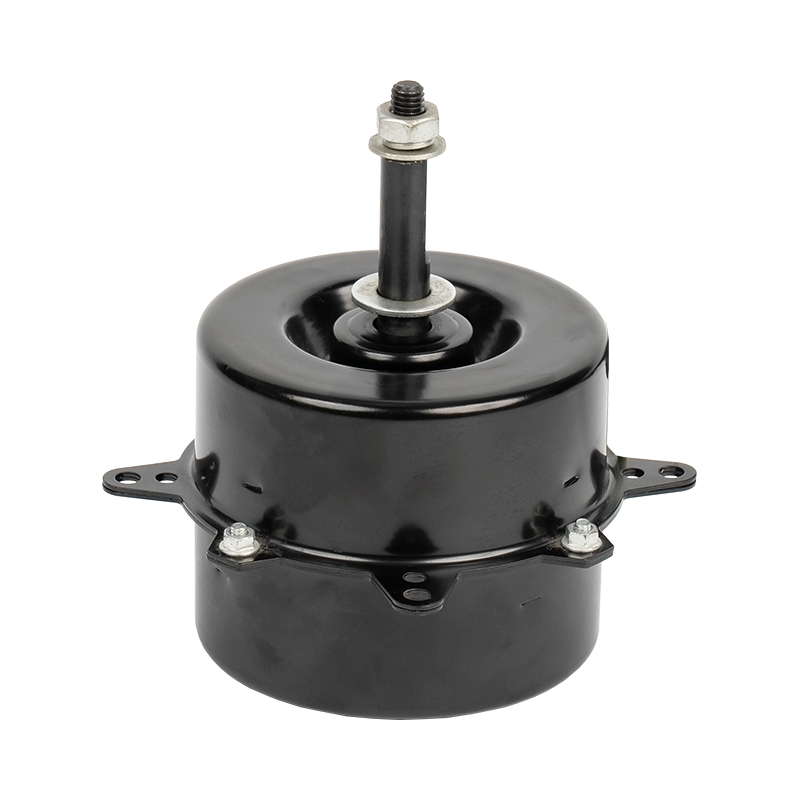
Liten energibesparande luftkylningsmotor YYK-50
Luftkylare motor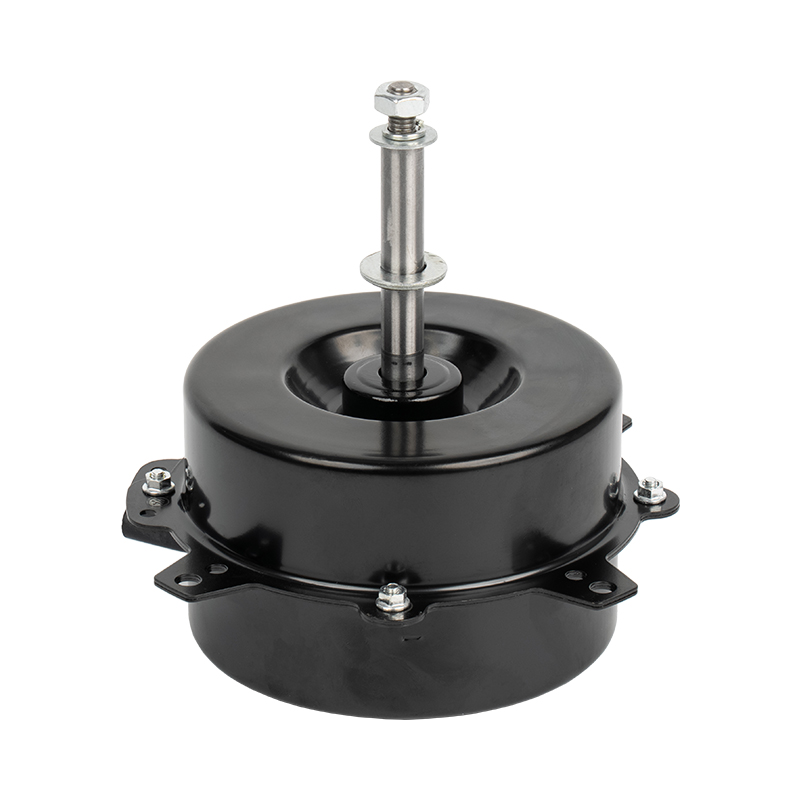
Hushålls- och kommersiell luftkylningsmotor YYK-120
Luftkylare motor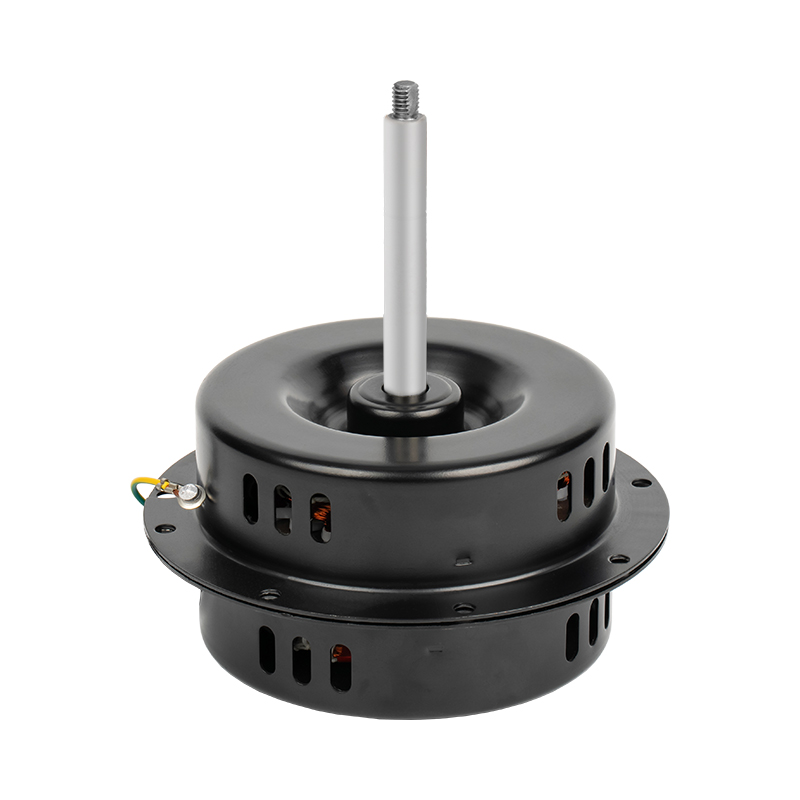
Stor aluminiumfläkt Industriell luftrenare Motor YYK-120
Industriell luftrenare motor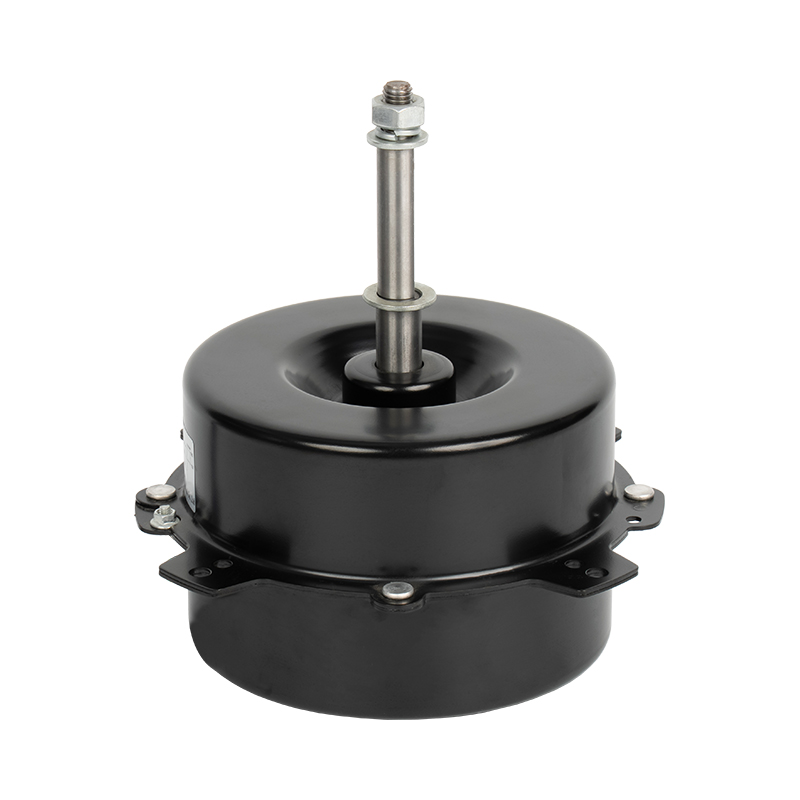
Energibesparande luftkylningsmotor YYK-180
Luftkylare motorDär motorer fortfarande är meningsfulla
Motorer är inte föråldrade, de är helt enkelt matchade till ett annat jobb. Överallt där utrustning behöver röra sig oberoende av ett elnät vinner en motor på energitätheten. Ett generatoraggregat, en bärbar vattenpump på en gård eller en reservkraftenhet under ett avbrott är alla beroende av lagrat bränsle snarare än en kabel. Avvägningen är accepterat buller, avgashantering och ett kortare serviceintervall mellan översynerna. Ingen av apparatkategorierna som behandlas i den här artikeln möter den begränsningen, vilket är exakt varför de är byggda kring motorer istället.
Hur man väljer mellan motordriven och motordriven utrustning
Tre frågor avgör beslutet i nästan alla fall:
- Fungerar utrustningen inomhus eller nära människor under längre perioder? Om ja, är en motor nästan alltid rätt anrop på grund av buller och luftkvalitet.
- Finns en kontinuerlig strömkälla tillgänglig? En fast elförsörjning gynnar en motor; ett avlägset eller mobilt jobb gynnar en motor.
- Vad är det acceptabla underhållsintervallet? Motorer tolererar i allmänhet längre sträckor mellan servicekontroller än förbränningsmotorer, som behöver oljebyten, filterbyten och underhåll av gnistor eller insprutare.
För en Luftkonditioneringsmotor , an Luftkylare vattenpump , eller a Väggbrytande maskinmotor , pekar svaret på alla tre frågorna bestämt mot elmotordesign, vilket är anledningen till att hela produktkategorin har standardiserats på den.
Inköp av motorer från en dedikerad motorfabrik
Apparatvarumärken som behöver konsekventa vridmomentkurvor, bullervärden och livslängdssiffror över produktionsserier fungerar vanligtvis direkt med en Motorfabrik snarare än att montera från blandade komponenter. En dedikerad fabrik kan matcha lindningsspecifikationer, lagerkvaliteter och husmaterial till kundens ritningar eller provenheter, vilket håller prestanda konsekvent över stora ordervolymer. Detta är samma resonemang som gäller för någon av motortyperna som diskuterats ovan, från en kompakt fläktmotor till en tyngre industriell fläktenhet.


 Hem
Hem  +86-13968277871


